Adhesion Release Methods in Jacksonville, FL
What is Adhesion Release Methods?
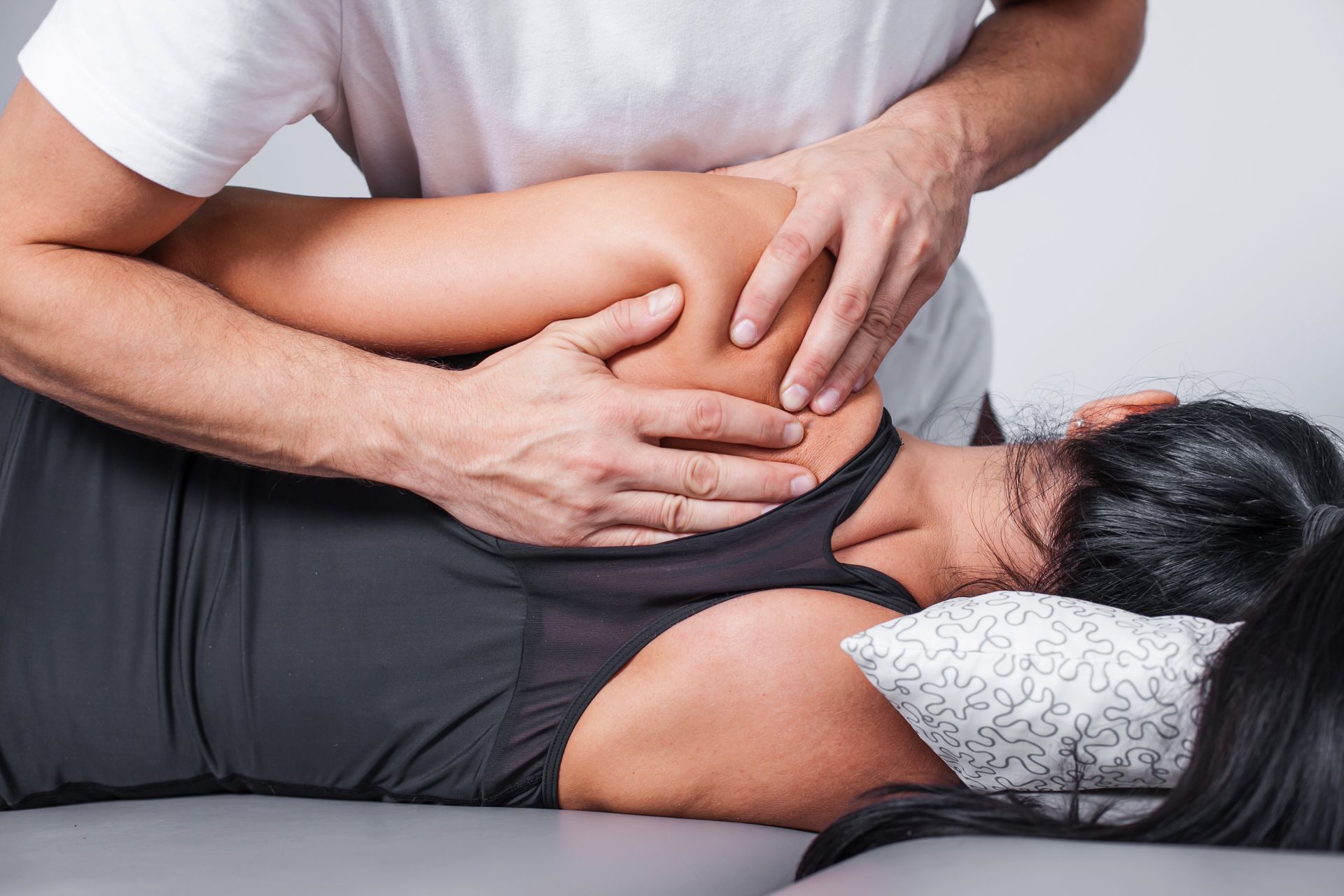
Adhesion Release Methods (ARM) is a type of hands-on therapy that addresses nerve entrapments and adhesions along nerve paths, muscle junctions, and fascial lines.
Adhesion Release Methods is different from other common soft tissue treatments. There are fewer than 100 providers worldwide trained in Adhesion Release Methods. Unlike most chronic pain providers who take a single class, this approach requires practitioners to train under doctors who have perfected this method of soft tissue treatment 4-6 times per year, every year. Practitioners of Adhesion Release Methods focus on restoring function and eliminating pain through advanced assessment skills and precise treatments designed to address and remove adhesions in the body.
What are Adhesions?
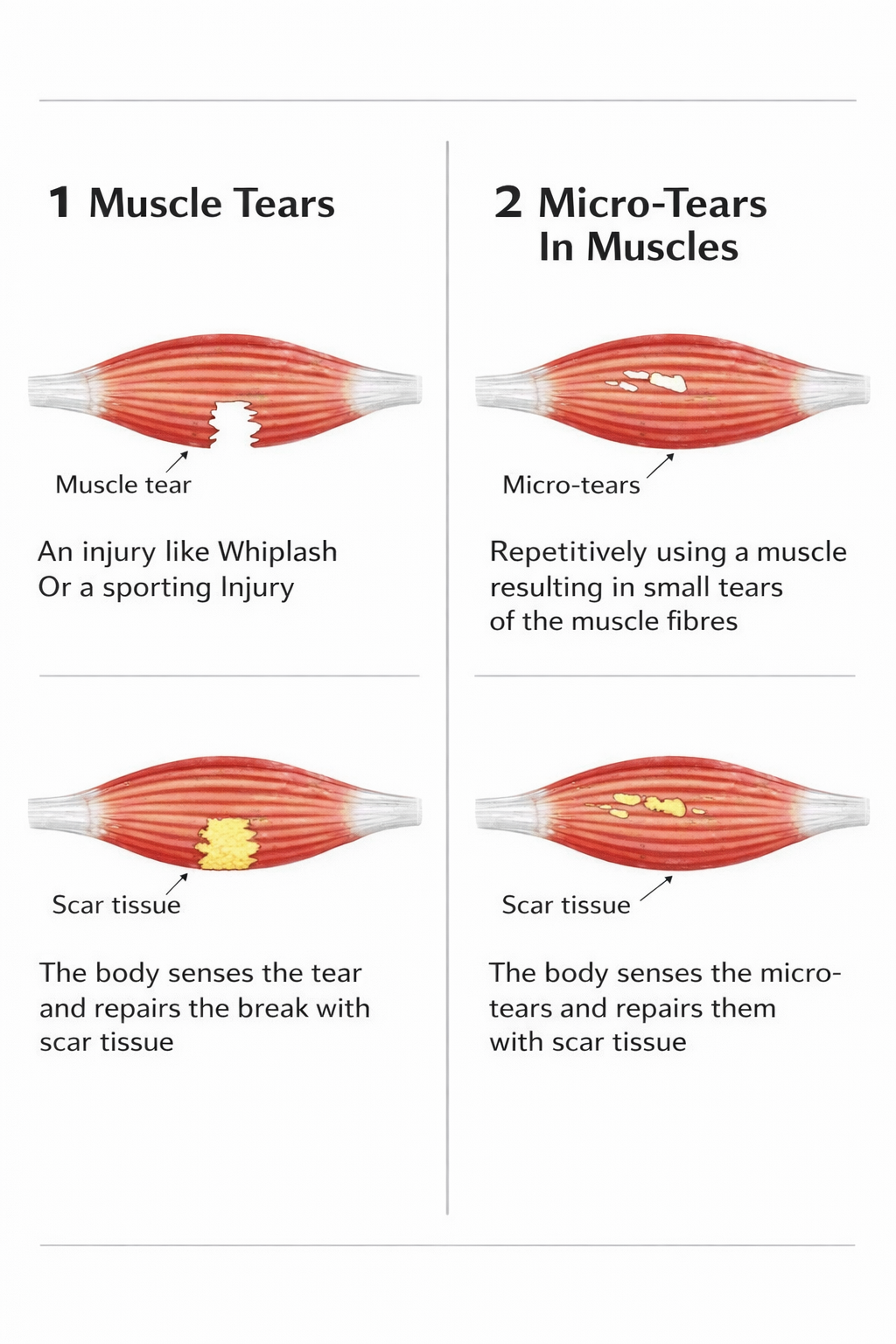
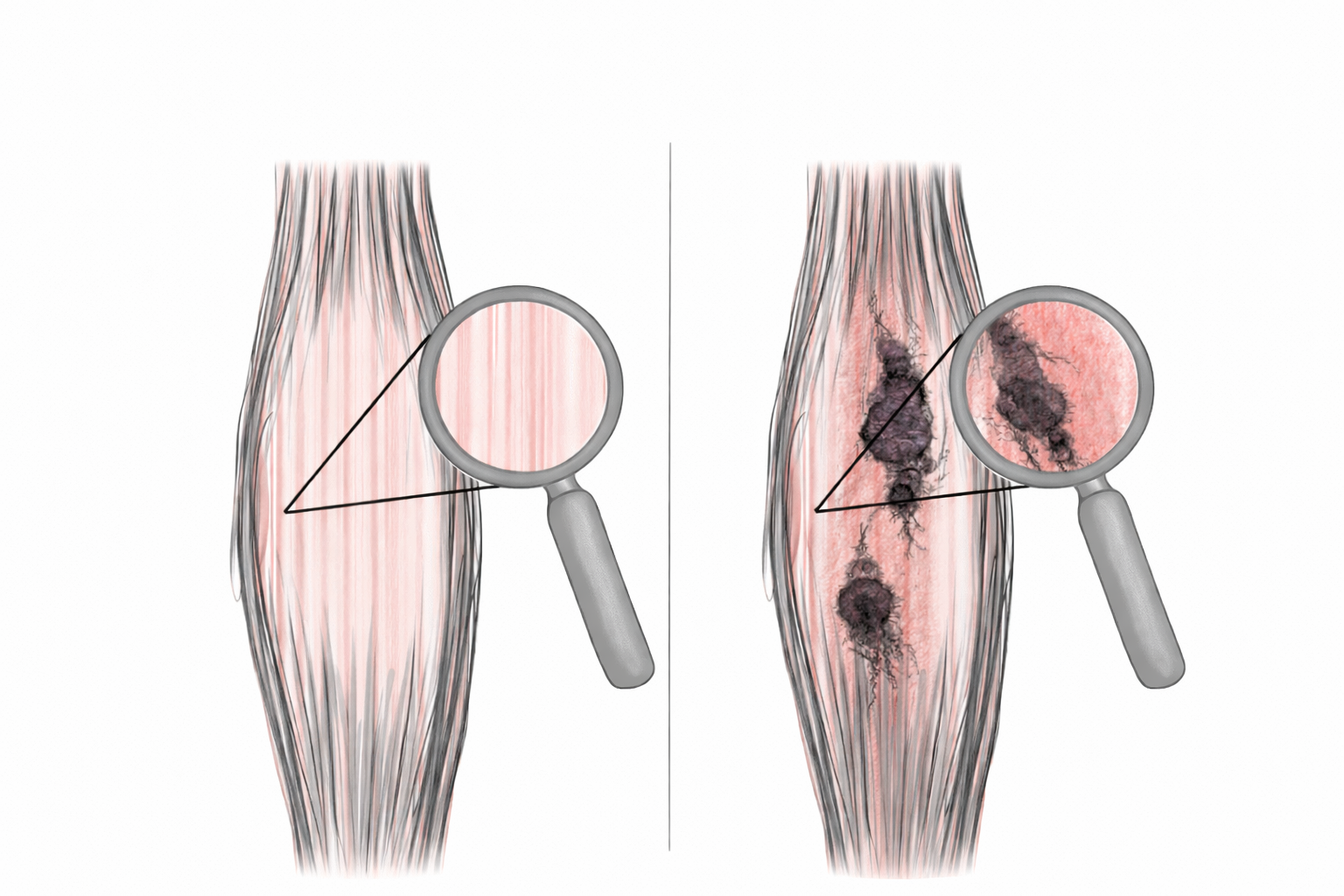
When the body experiences forces that exceed its capacity due to injury (like whiplash from a car accident), repetitive movement (like swinging a hammer overhead every day), or even sedentary lifestyles (prolonged sitting and screen time), it lays down collagen, or scar tissue, haphazardly to fortify areas that lack stability. This scar tissue is “sticky” and can be thought of as “glue” within the body’s soft tissue that limits movement, creates tension, and can even trap nerves or blood vessels. Over time, this leads to chronic pain, stiffness, weakness, and reduced functionality.
Because nerves innervate muscles, adhesions along a nerve path can create chronic tight muscles and muscle spasms, sensations of tightness, restriction, and pulling, and symptoms like burning, tingling, pinching, and numbness. While they will glide between tissue layers, nerves do not stretch, so when they are stuck in an adhesion, they get tugged on when certain movements are made, which creates the painful symptoms you experience.
How does Adhesion Release Work?
The goal of ARM is to restore normal tissue quality, improve range of motion, and reduce pain by creating a mechanical change in the area, essentially creating more space and range of motion. When range of motion is increased and strength is built around that increased range, pain typically decreases.
Before treatment, you will go through an intake discussion and a series of provocative movement tests that will measure your range of motion. Treatment will address the most restricted areas. So even though your symptoms may be in one place, treatment may occur in a different area, as we let the body tell the story of where movement and glide needs to be restored the most in order to reduce pain.
What makes Adhesion Release Methods different from traditional massage is the methodology behind it. ARM is not just about applying pressure; it’s about applying the right pressure in the right way. This is where depth, vector, and tension come in.
- Depth refers to how much pressure is needed to actually reach the adhesion.
- Vector is the direction of that pressure, which must align with the structure being treated.
- Tension is created by either the practitioner or the client moving the body in a way that stretches the tissue while the adhesion is being treated.
In some cases, you will be prescribed a canister exercise in addition to your hands-on treatment sessions that will help support your treatment so that over time you no longer need to return because your range of motion has been increased, strength has been built, and compromised movement patterns have been improved so that pain decreases.
What to Expect During the Hands-on Part of Your Treatment
Step 1: You will first feel pressure while the therapist determines the depth needed for treatment.
Step 2: The therapist will then bow the tissue in different directions to find the vector direction with the greatest pushback. This feels like hitting a stuck or hard spot in the tissue (healthy tissue has give-back and feels doughy). Pushback is indicative of adhesion.
Step 3: Once the depth and vector are determined, movement occurs to create tension that forces a mechanical change in the tissue, effectively breaking down the adhesion.
This process looks very similar to the pin and stretch concept in manual therapy, and many clients describe adhesion release as a “hurts so good” sensation.
Who/What is ARM Best For?
- People age 25-60 with nagging pain that has not been resolved by chiropractic care, physical therapy, acupuncture, and/or massage, etc.
- People with scar tissue adhesion from surgeries or injuries that feels restrictive and tight
- People who still feel tight, stiff, or restricted even after stretching, foam rolling, yoga, pilates, etc.
- People suffering from sciatica, lower back pain, neck pain, and shoulder pain due to repetitive movements from work and/or lifestyle
- People who experience pain or restricted movement when trying to move through a full range of motion
Common Conditions and Symptoms We Treat
- Scar tissue restriction and pain
- Sciatica
- Lower back pain
- Hip pain and pinching
- Hamstring and quad tightness and pulling (not resolved by stretching)
- SI joint pain
- Groin pain, tightness, and pinching
- Pain or restriction with trunk rotation
- Mid-back pulling or tightness
- Abdominal pulling or tightness
- Headaches
- TMJ symptoms
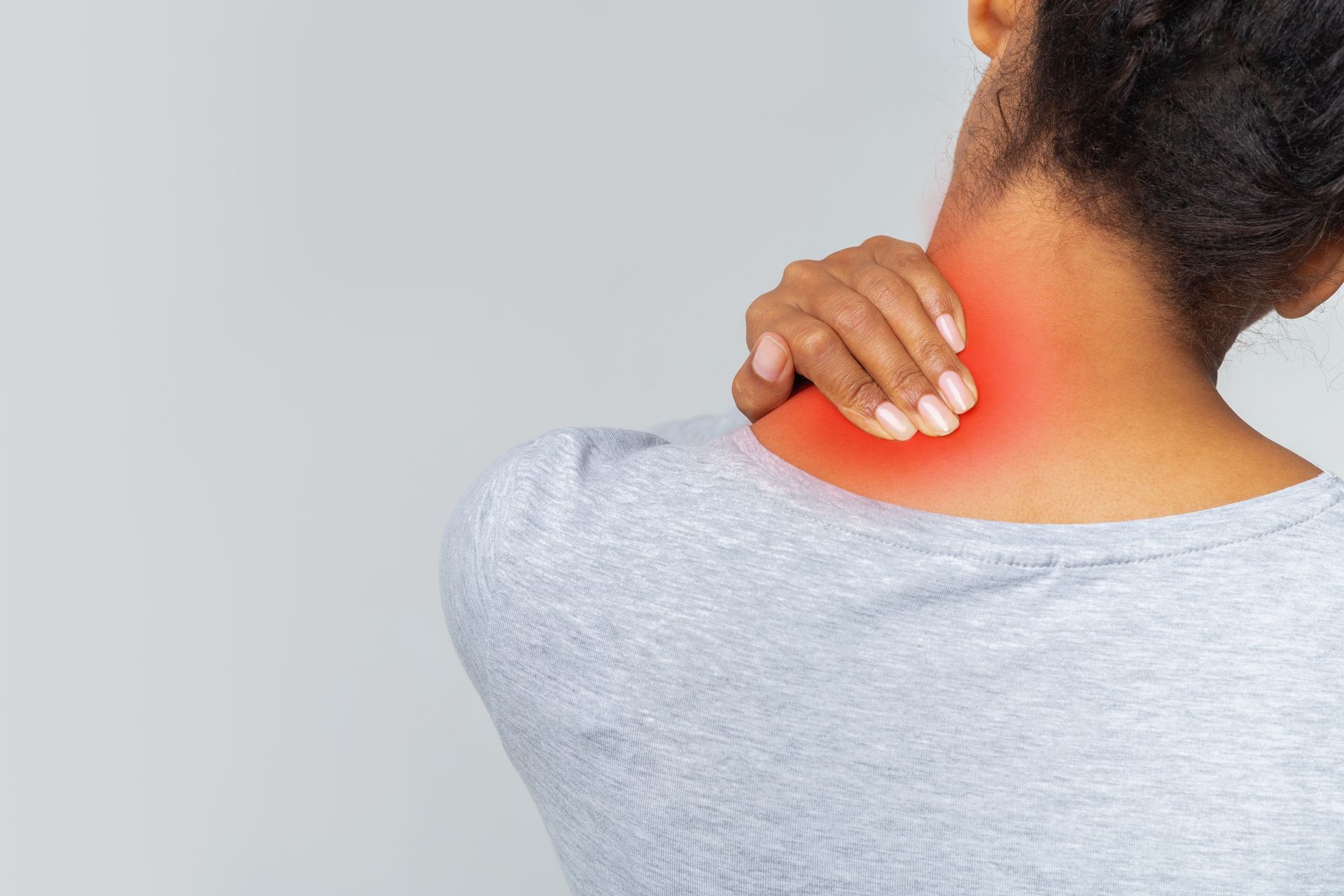
- Neck pain
- Tingling and numbness in hands
- Tennis elbow
- Golfer’s elbow
- Plantar fascitis
- …and many more symptoms!
How Many Sessions Do You Need?
This depends on your goals and how long the issue has been there.
Typical timelines:
- Mild tightness or minor pain: 1 to 3 sessions
- Chronic pain or long-term restrictions: 4 to 8 sessions
- High performance and recovery support: ongoing maintenance
How do I Know if the Treatment is Working?
A key piece of the ARM protocol is the test–treat–retest approach. Every session starts with movement testing to identify which motions reproduce symptoms and where the body is restricted. From there, treatment is applied directly to the structures contributing to that limitation.
Immediately after, the same movement is tested again to see if there’s been a change. This creates clear, real-time feedback that shows whether the treatment is actually working.
Improvement is measured by either an increase in range of motion in the affected area, reduction of pain and symptoms, or ideally, both.
How Many Sessions Do I Need?
Usually, people know if ARM is the right treatment for them after their first session because they see an increase in range of motion in the affected area and a decrease in pain. Ideally, these take place together, but they may also occur independently. Age, disc health, surgical interventions, weight, and lifestyle all play a role in determining how much treatment may be needed. Adherence to the canister exercise that is prescribed in the second session will also expedite the treatment process.
We typically recommend a series of 3-6 sessions scheduled once a week for clients to frontload treatment, implement the canister exercise, and build strength around the new range of motion so that they can get as close to pain-free as soon as possible.