Corrective Exercise Therapy in Jacksonville, FL
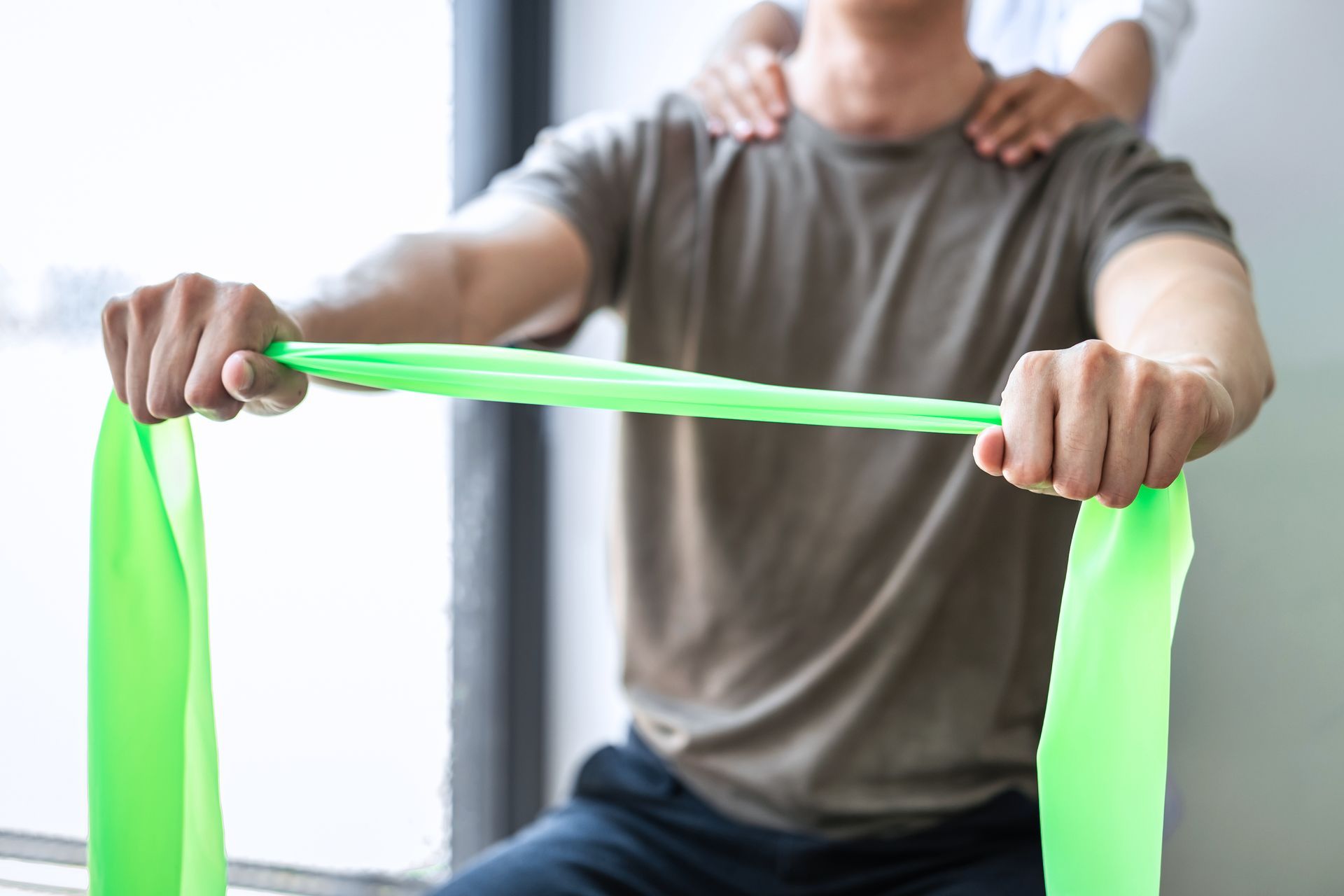
Corrective exercise is a movement-based approach designed to address imbalances, mobility restrictions, and compromised movement patterns that contribute to pain and dysfunction. It focuses on improving how the body moves by restoring proper muscle activation, joint stability, and coordination. Rather than general fitness training, corrective exercise targets the specific areas that are limiting movement or placing unnecessary stress on the body.
When used in conjunction with functional bodywork corrective exercise helps reinforce the changes made through hands-on treatment. Functional bodywork works to reduce pain, release soft tissue restrictions, and improve range of motion, while corrective exercise helps maintain those improvements by retraining the body to move more efficiently. Together, they create a comprehensive approach that not only relieves pain but also supports long-term function, resilience, and injury prevention.
Pain often is caused by a breakdown in movement mechanics.
Corrective exercise can help by:
- Improving hip mobility to reduce stress on the lower back
- Building glute strength so your back stops doing the work
- Training core stability to protect the spine
- Improving posture and breathing patterns
- Correcting imbalances from old injuries
This is why many people feel temporary relief from traditional massage, but the pain returns. The tissue loosens up, but the movement pattern stays broken.
Corrective Exercise Sessions May Include
Based on your assessment, your program may include:
- Hip mobility drills
- Glute activation training
- Core control and bracing mechanics
- Thoracic spine mobility for better posture
- Shoulder stability training
- Single-leg balance and stability work
- Squat, hinge, and lunge pattern correction
- Stretching that matches what your body actually needs
- Strength progressions that lock in the improvements
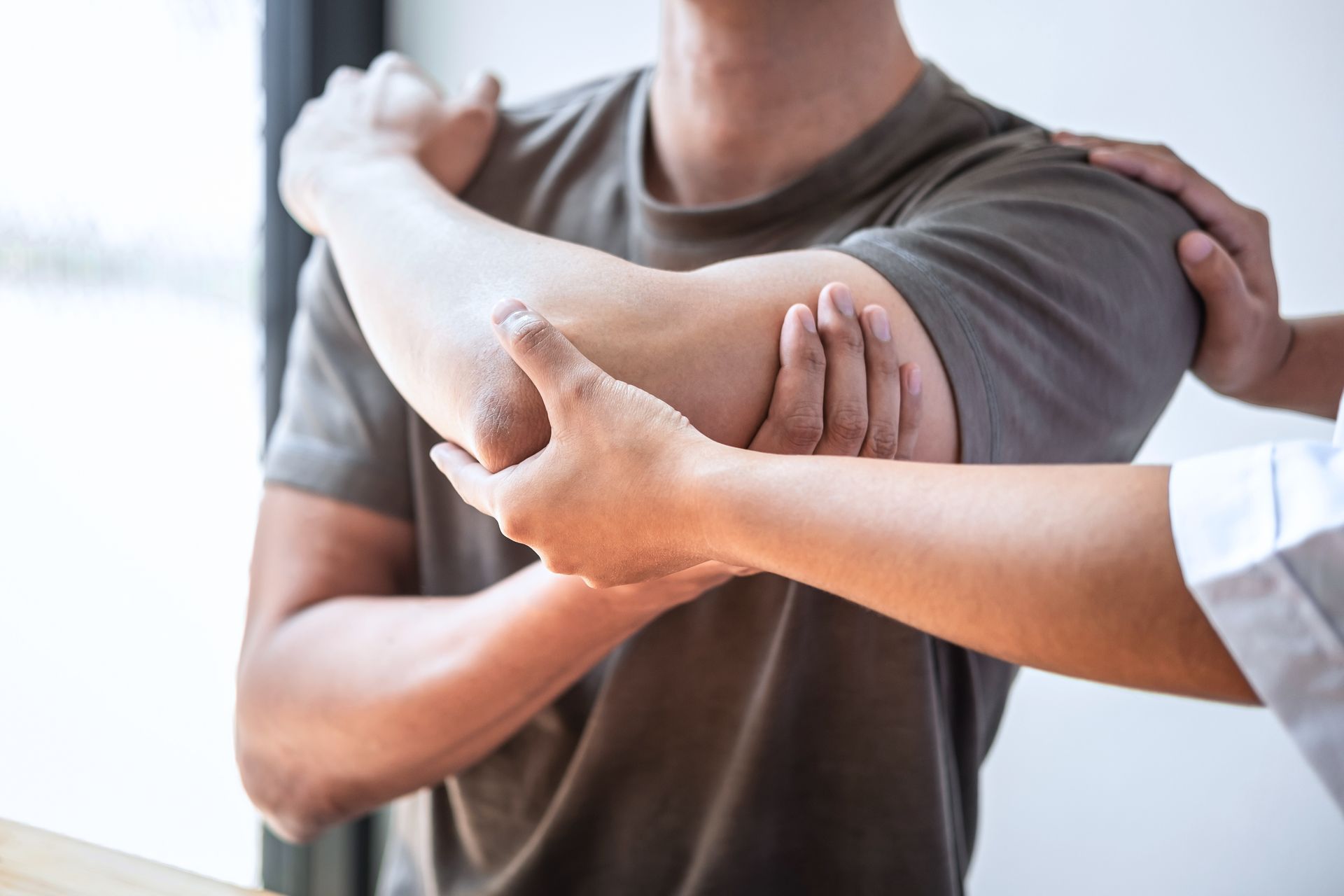
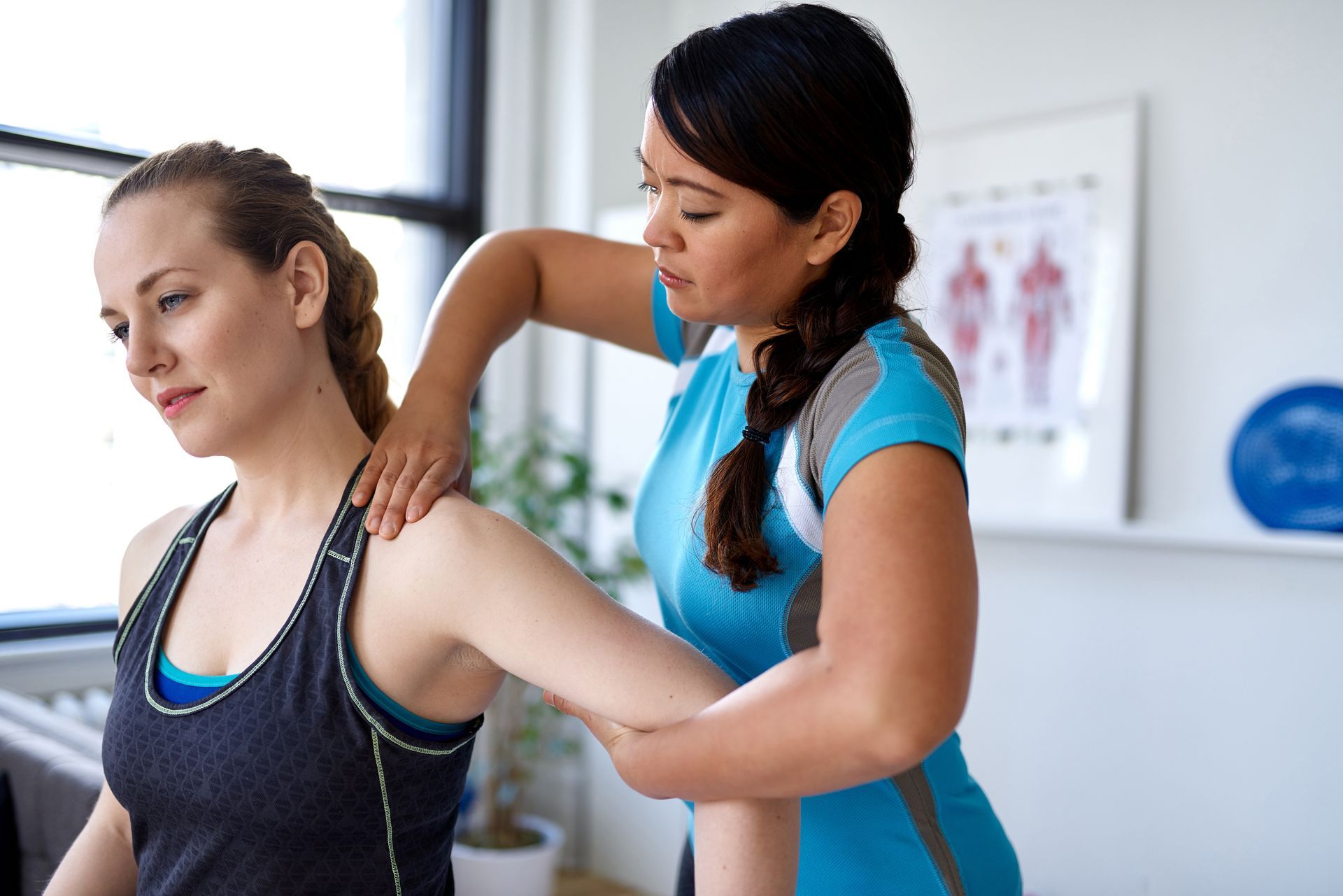
Benefits of Corrective Exercise
Clients use corrective exercise to:
- Reduce pain and stiffness
- Move better in daily life
- Train with better form and control
- Improve mobility without losing strength
- Prevent injuries before they happen
- Increase performance and athleticism
- Feel stronger and more stable in the hips, knees, and shoulders
You should feel the difference in how you walk, stand, lift, and recover.