Our Blog

March 7, 2026
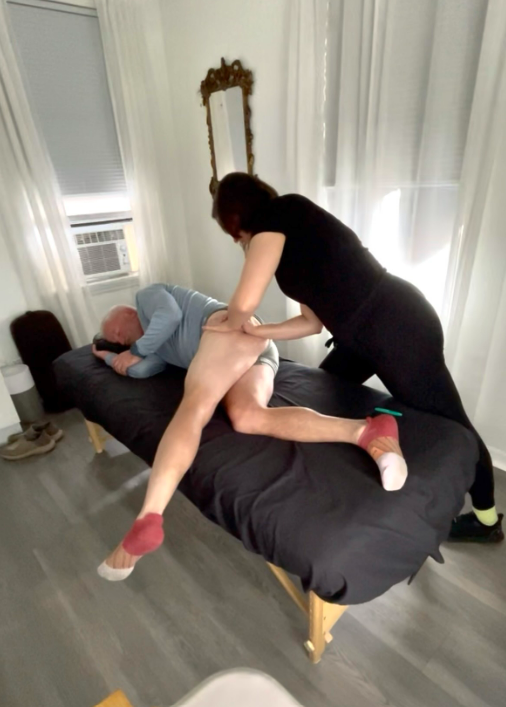
Functional bodywork is a focused type of hands-on therapy designed to help with pain, limited movement, or areas of the body that just don’t feel like they’re working the way they should. Functional bodywork looks at what’s actually causing the problem and works to fix it. The goal is to relieve pain, improve mobility, and help your body move the way it’s supposed to again. Functional bodywork, like traditional Swedish massage, uses hands-on techniques to work with the muscles and soft tissues of the body. The difference is mainly in the goal of the session. Functional bodywork is focused on solving a specific problem, like pain, stiffness, or limited movement in a certain area. The session is more targeted and guided by assessment, with techniques chosen to improve range of motion and restore normal function. Swedish massage, on the other hand, is designed primarily for relaxation. It uses long, flowing strokes across the whole body to calm the nervous system and relieve general muscle tension. Both approaches are beneficial, but functional bodywork is geared toward fixing a specific issue, while Swedish massage is more about overall relaxation. Functional bodywork can benefit just about anyone dealing with stiffness, aches, or range of motion limitations. It’s especially helpful for people who sit for long hours, have physically demanding jobs, are recovering from injuries, or want to improve athletic performance and recovery. If something in your body feels tight, restricted, or painful when you move, functional bodywork helps address the root of that issue so you can get back to moving comfortably. Sessions usually start with a movement assessment. This helps identify where the restriction or dysfunction is happening. The movement assessment is a simple series of range of motion tests that help pinpoint where your body isn’t moving as well as it should. You might be asked to turn your head, raise your arms, bend, rotate, or perform a few other basic movements while your therapist observes how your body responds. One important thing to understand is that the area where you feel pain or restriction isn’t always the actual source of the problem. The assessment helps reveal where the kinetic chain is breaking down and which structures may be creating compensation patterns that lead to pain, stiffness, or weakness somewhere else. From there, the results guide the session by showing which areas of the body should be addressed first to improve your symptoms and restore smoother, more comfortable movement. The rest of the session focuses on targeted hands-on treatment using a test–treat–retest approach. Techniques may include adhesion release methods (which helps free up nerves that may be trapped or stuck), trigger point therapy, massage therapy, muscle energy techniques, proprioceptive neuromuscular facilitation, and assisted stretching. Each technique is chosen based on what your body actually needs. Because of this targeted approach, functional bodywork isn’t a full-body massage. Instead, the session focuses on resolving the specific issue that’s limiting your movement or causing discomfort. The goal is simple: help you move better, feel better, and get back to doing the things you enjoy.